

 |
RacingBetter News |
| Friday 5th June 2026 | |
Before Backing A Horse At Epsom, Derby Punters Backed A Platform
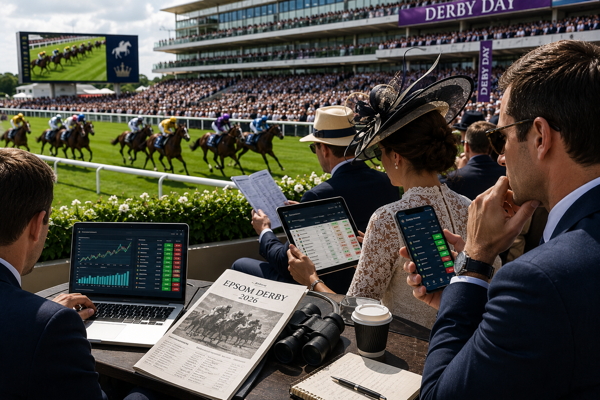
The 2026 Epsom Derby generated plenty of discussion around favourites, contenders and race tactics. Away from the runners, however, another trend emerged as many racing followers spent as much time evaluating platforms, information sources and market structures as they did studying the field. The result offered an interesting glimpse into how the modern Derby experience now begins long before race day itself.
The Derby Is No Longer Just One Market
Historically, many racegoers focused on a straightforward question: which horse will win?
That approach still exists, but the modern Derby ecosystem is far more complex. A single race can now generate dozens of different market types and analytical angles. Some followers focus on outright winners. Others are interested in placing, forecast combinations, head-to-head contests or trainer-related outcomes.
This variety has changed how racing fans prepare for major events. Instead of immediately assessing the runners, many first evaluate whether a platform offers the information and market coverage required to support their preferred approach.
The Derby demonstrates this shift particularly well. With a large field, extensive media coverage and intense public interest, the race creates numerous ways for people to interact with the event beyond simply selecting a winner.
Transparency Has Become A Consumer Priority
Another notable trend is the growing importance of transparency. UK consumers increasingly review terms, privacy practices and operational policies before engaging with any online service. This behaviour is visible across financial services, e-commerce and subscription platforms, and racing audiences are showing similar habits.
Terms and conditions, settlement rules and account processes attract greater scrutiny than they once did. Many users want to understand how a platform operates before committing to it. The Derby provides a useful example because heightened interest in a major event often encourages closer examination of the services surrounding it.
This focus on transparency extends beyond racing platforms. Consumers regularly seek independent reviews, expert analysis and detailed comparisons before choosing a service. Resources covering the non Gamstop sector illustrate this trend well, with expert reviews often assessing factors such as licensing, security measures, bonus terms, withdrawal policies, game libraries and customer support standards (source: https://non.gamstop-casino.co.uk/). Rather than relying solely on promotional claims, many users prefer detailed evaluations that explain how a platform operates in practice.
Privacy has also become a key consideration. Many consumers pay closer attention to how personal data is handled, what verification procedures are required and whether policies are clearly explained. Platforms that communicate these details openly are often viewed as more trustworthy than those that bury important information in lengthy documentation.
Information Has Become Part Of The Racing Experience
One of the most significant developments in recent years is the sheer volume of information available before a major race. During Derby week, racing followers were exposed to trainer interviews, gallop reports, weather forecasts, going updates, sectional analysis and expert opinions. New information emerged daily, sometimes altering public perception of the field.
This environment has transformed the role of digital racing platforms. They are no longer merely transactional spaces. Increasingly, they function as information hubs where users access racecards, statistics, historical data and market movements.
The ability to organise this information effectively has become an important differentiator. Racing followers often value clarity and accessibility, particularly during major events where information can arrive rapidly.
The Rise Of The Comparison Habit
Modern consumers compare almost everything. Flights, insurance products, mobile contracts and streaming services are regularly evaluated side by side. Racing has not been immune to this behaviour.
Many punters now compare market structures, available information, account features and terms before making decisions. The focus is not necessarily on finding a single advantage. Rather, it reflects a growing preference for informed decision-making.
The Derby amplifies this behaviour because interest levels are exceptionally high. A race that attracts national attention naturally encourages greater scrutiny of the surrounding experience.
Why Reliability Matters More During Major Racing Events
The importance of platform performance often receives less attention than racing form, yet major events reveal how significant it can be. The Derby creates concentrated periods of activity. Interest peaks in the hours leading up to the race. Information updates become more frequent. Market activity intensifies.
Under these conditions, reliability becomes visible. Can race information be accessed quickly? Do updates appear promptly when conditions change? Is key information easy to locate without excessive navigation?
These questions may appear technical, but they influence how comfortably users can engage with the event. For racing audiences, reliability contributes to confidence. When information flows smoothly, attention remains focused on the sport itself rather than on the process of accessing it.
The Modern Racing Journey Looks Different
Perhaps the most interesting lesson from Derby week is how the overall racing journey has changed. Traditionally, the sequence was relatively straightforward. A racing follower would study the form, choose a horse and then place a bet.
Information is gathered from multiple sources. Race conditions are monitored. Market structures are reviewed. Platform features are assessed. Only then does attention fully shift towards the runners themselves.
The race remains central, but the path leading to it has expanded. Fans increasingly expect access to information, personalisation and transparency. Racing is adapting to those expectations in the same way that other industries have adapted to changing consumer habits.
What The Derby Revealed About Modern Racing Audiences
The 2026 Epsom Derby offered more than sporting drama. It provided insight into how racing audiences now engage with major events.
Many participants approached the race with a consumer mindset as well as a sporting one. They assessed information quality, compared experiences and evaluated the environments through which they followed the event.
This does not diminish the importance of the horses, trainers or jockeys. Those elements remain at the heart of racing. However, the surrounding ecosystem has become increasingly influential.
Before backing a horse, many Derby punters effectively backed a platform. The trend reflects a wider shift in how racing is consumed, analysed and experienced in an era defined by information, comparison and digital choice. For observers of the sport, that may be one of the most important stories to emerge from Derby week.